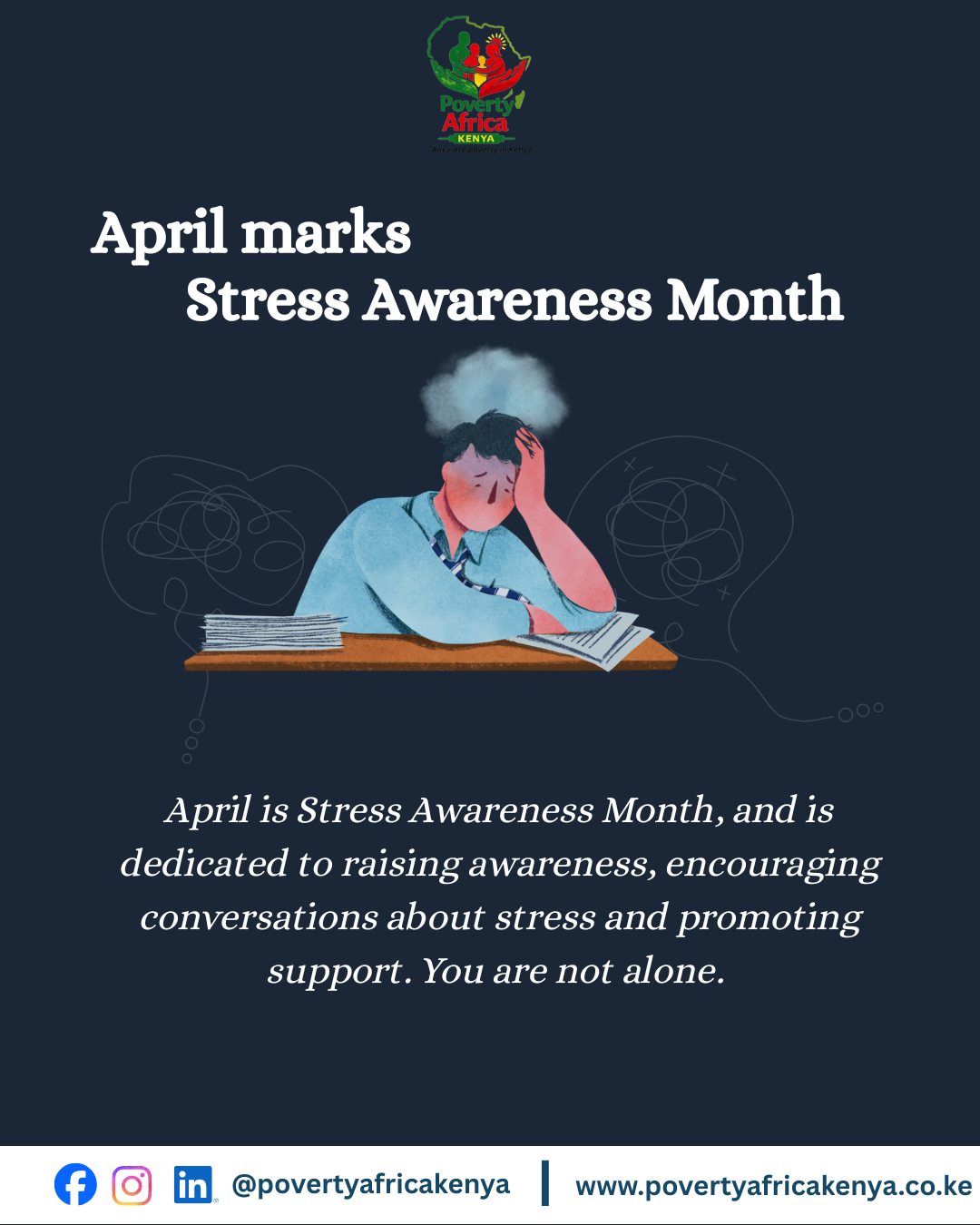
April is Self Awareness Month – a time to pause, reflect, and reconnect with ourselves. In our busy lives, stress often builds unnoticed. This post is not about success stories; it’s about practical tools you can use today to understand yourself better and keep stress at bay.
What Is Self Awareness?
Self awareness is the ability to recognise your own emotions, thoughts, and behaviours – and understand how they affect your life and the people around you. It’s the foundation of emotional intelligence and mental resilience. When you are self‑aware, you can identify early signs of stress before they become overwhelming, and you can make choices that align with your true needs.
Why Stress Management Matters
Chronic stress affects not only your mental health but also your physical body. It can lead to headaches, fatigue, sleep problems, and even long‑term conditions like high blood pressure. By becoming more self‑aware, you can catch stress triggers early and respond with healthy coping strategies instead of reacting automatically.
“You can’t stop the waves, but you can learn to surf.”
– Jon Kabat‑Zinn
7 Practical Tips to Stay Stress‑Free
Here are simple, evidence‑based techniques you can start using today. No special equipment or large time commitment needed.
- Practice Mindful Breathing – Take 2 minutes every morning to focus only on your breath. Inhale for 4 seconds, hold for 4, exhale for 4. This calms your nervous system instantly.
- Keep a “Stress Journal” – Write down what triggered your stress, how you felt, and how you reacted. Over time, you’ll see patterns and learn to interrupt them.
- Set Digital Boundaries – Turn off notifications for one hour before bed. The constant stream of information keeps your brain in “alert mode”.
- Move Your Body Daily – Even a 15‑minute walk releases endorphins, the body’s natural stress relievers. You don’t need a gym.
- Use the “STOP” Technique – When you feel overwhelmed: Stop, Take a breath, Observe what you’re feeling, Proceed mindfully.
- Connect with Others – A short phone call with a trusted friend can shift your entire mood. Isolation magnifies stress.
- Limit News and Social Media Scrolling – Constant exposure to negative headlines can create “vicarious stress”. Set a timer if needed.
Building a Self‑Care Routine That Lasts
Self awareness is not a one‑day exercise. It’s a habit. Start small: choose one tip from the list above and practice it for one week. Then add another. The goal is progress, not perfection.
Remember: being self‑aware also means accepting that some days will be harder than others. You don’t have to be calm all the time. You just need tools to come back to balance.
Free Resources You Can Use
You don’t need to buy expensive apps or courses. Here are free, reliable tools:
- Guided meditations: YouTube has thousands of free 5‑10 minute sessions (search “mindful breathing” or “body scan”).
- Mental health workbooks: Websites like Therapist Aid offer free printable worksheets on stress management.
- Helplines in Kenya: If you need to talk to someone, call the Kenya Red Cross toll‑free line 1199 or Befrienders Kenya +254 722 178177.
You Are Not Alone
This Self Awareness Month, we encourage you to prioritise your mental health. If you’re feeling overwhelmed, reach out – to a friend, a family member, or a professional. POAK also runs community wellness sessions; check our Mental Health & Wellness program for more information.
Contact Us for Support